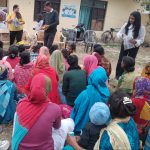
A society that is great, growing, and equitable is dependent upon educating and empowering children. When a child has been educated, and can read and write, they are educated in all aspects of their life; through education, children develop character, critical thinking, and ability to understand the world around them; by being educated well, children will have better knowledge of making educated choices, escaping poverty, and positively contributing back to their communities.
The education received by children creates a learning platform for them to learn problem-solving skills, increase their communication abilities, and foster creativity. This also gives all children the opportunity to identify talents, and subsequently build confidence, so that they can achieve their desired goals or dreams.
Child empowerment complements the education of the child. An empowered child will also have courage to speak her beliefs, and feel that she is competent to make her own choices. When a child understands that she is competent, then she is in a much better position to achieve her potential. This is particularly important for society’s marginalized children; typically based on poverty level, gender, or social disadvantages, those children have the same basic fears, as other children; to overcome a fear of failure, resist injustices, and be advocates for self.
The combination of education and empowerment equates to the ability to access opportunities, the equalization of society, and building strong communities. By making a long-term investment in children today, we make a long-term investment for a better, more inclusive, and k